
Rosemary
BASICS FOR YOUR HOME
Kid-Friendly: Yes
Pet-Friendly: Yes (in small culinary amounts; larger quantities not recommended for cats)
Indoors: Bright window with excellent air circulation; grows better outdoors
Container Outdoors: Yes (excellent container plant)
In-Ground: ‘Arp’ is hardy to zone 6; Prostratus to zone 8
Light: Full Sun
Temperature: ‘Arp’ is the most cold-hardy rosemary available; Prostratus is more tender
Water: Low
CARE INSTRUCTIONS
LIGHT: Both rosemary varieties need full sun — at least 6–8 hours daily. This is non-negotiable; rosemary in low light becomes leggy, weak, and susceptible to disease. Indoors, a south-facing window with excellent air circulation is essential.
WATER: Water deeply but infrequently — allow the soil to dry completely between waterings. Rosemary is extremely drought-tolerant and highly susceptible to root rot from overwatering. Poor drainage is the primary cause of rosemary failure.
SOIL & POT: Use a gritty, fast-draining potting mix — a cactus or Mediterranean herb mix is ideal. Never use a moisture-retaining mix. Excellent drainage is the single most important factor for rosemary success. Terracotta pots are ideal as they dry out faster than plastic.
SEASONAL TIPS: ‘Arp’ is upright and exceptionally cold-hardy — one of the few rosemaries that survives zone 6 winters outdoors. Prostratus (creeping rosemary) is a trailing variety ideal for containers, hanging baskets, and cascading over walls — it is less cold-hardy and benefits from winter protection or overwintering indoors. Both varieties have excellent culinary flavor.
HOW TO HARVEST
• Snip 4–6 inch stem tips using clean scissors or pruners
• Cut just above a set of leaves to encourage regrowth
• Harvest consistently — rosemary responds well to regular cutting
• Do not cut back into old, woody stems without green growth
• Both the leaves (needles) and flowers are edible
HOW TO USE
Rosemary has a bold, resinous, pine-like flavor with camphor and citrus notes. It is one of the most aromatic culinary herbs and can hold up to long cooking times.
Fresh
• Strip needles from stems and chop finely for roasted meats, potatoes, and vegetables
• Place whole sprigs under chicken or pork before roasting
• Add to focaccia dough or bread
• Infuse into olive oil for a fragrant dipping oil
• Add to compound butters for steak or lamb
Dried
• Hang stems upside-down to dry — dried rosemary is excellent and stores well
• Crumble into spice rubs, herb blends, and marinades
• Add to store-bought tomato sauce for an instant upgrade
Infused
• Steep in olive oil for 2–3 weeks for a classic rosemary oil
• Infuse into simple syrup for rosemary lemonade and cocktails
• Add sprigs to honey for a savory-floral sweetener
Tips
• Rosemary is potent — use sparingly; too much can overpower a dish.
• Pairs classically with lamb, chicken, garlic, lemon, and root vegetables.
• The flowers have a milder, sweeter flavor than the leaves — use as a garnish.
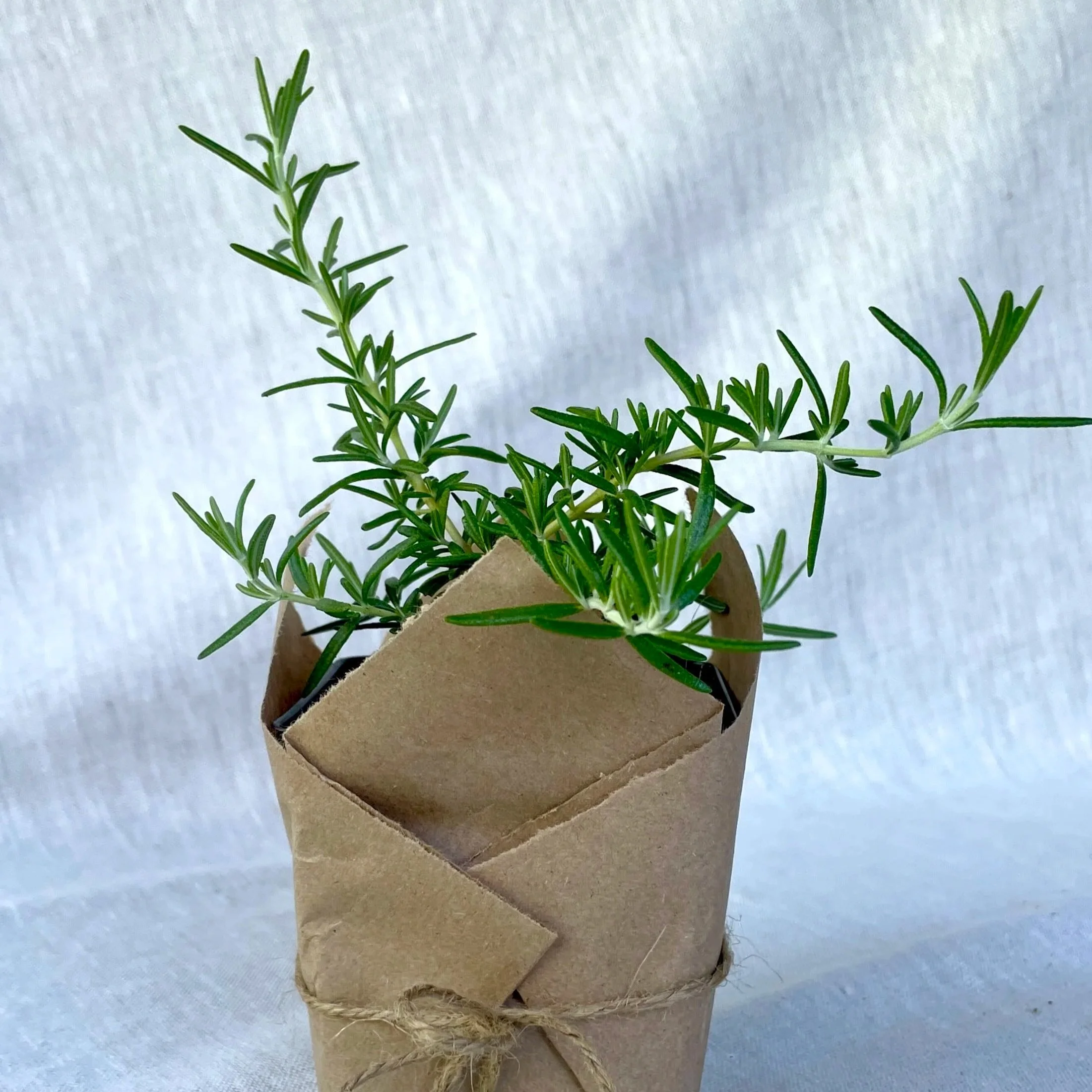
HOW THIS PLANT GROWS ‘Arp’ rosemary grows upright with pale blue-gray needles and a silvery, mounding habit. Prostratus (creeping rosemary) grows as a low, spreading trailer with slightly finer needles and a graceful, cascading form. Both produce small blue-purple flowers in late winter and spring.
GROW JOYFULLY Rosemary is the herb of memory and resilience. Give it sun and drainage and it will outlast almost everything else in your garden — growing more fragrant and generous with every season.