Warm, clove-like, and deeply aromatic.
Pot Size: 3.25"
Grown From: Seed
Availability: Small batch • Late March
Meet Holy Basil
Holy Basil—often called Tulsi—is not simply an herb. It is a plant of devotion, care, and relationship, cultivated for thousands of years across South Asia and still grown today in homes, courtyards, and temples.
In Hindu tradition, Tulsi is considered sacred and is often planted near the home as a living presence rather than a crop. Caring for the plant—watering it, harvesting it thoughtfully, noticing its cycles—is part of daily practice. Tulsi is associated with protection, balance, and clarity, and its use has always been woven into ordinary life rather than set apart as something rare or ornamental.
What makes Holy Basil remarkable is not just its aroma or flavor, but the way it invites attentiveness. It is a plant meant to be grown close, harvested gently, and used regularly—most often brewed as tea or added fresh to simple preparations.
For those encountering it outside its cultural origins, Holy Basil offers a quiet lesson: plants can be companions, not commodities.
In modern kitchens and gardens, Holy Basil is commonly enjoyed as:
• A fresh or dried herbal tea
• A gentle addition to soups and broths
• A fragrant, grounding garden plant
• A pollinator-friendly flowering herb
This is not a plant to rush. It rewards patience and care.
What arrives with your plant
• One market-ready Holy Basil, grown from seed
• A digital care & harvest card (printable and savable)
• Guidance for growing with respect and intention
Care, the simple version
• Light: Bright light to full sun
• Water: Even moisture; don’t let soil fully dry out
• Harvest: Pinch regularly to encourage branching
• Climate note: Prefers warmth; protect from cold
• Bonus: Highly attractive to bees when flowering
(Full guidance included with your care card.)
Warm, clove-like, and deeply aromatic.
Pot Size: 3.25"
Grown From: Seed
Availability: Small batch • Late March
Meet Holy Basil
Holy Basil—often called Tulsi—is not simply an herb. It is a plant of devotion, care, and relationship, cultivated for thousands of years across South Asia and still grown today in homes, courtyards, and temples.
In Hindu tradition, Tulsi is considered sacred and is often planted near the home as a living presence rather than a crop. Caring for the plant—watering it, harvesting it thoughtfully, noticing its cycles—is part of daily practice. Tulsi is associated with protection, balance, and clarity, and its use has always been woven into ordinary life rather than set apart as something rare or ornamental.
What makes Holy Basil remarkable is not just its aroma or flavor, but the way it invites attentiveness. It is a plant meant to be grown close, harvested gently, and used regularly—most often brewed as tea or added fresh to simple preparations.
For those encountering it outside its cultural origins, Holy Basil offers a quiet lesson: plants can be companions, not commodities.
In modern kitchens and gardens, Holy Basil is commonly enjoyed as:
• A fresh or dried herbal tea
• A gentle addition to soups and broths
• A fragrant, grounding garden plant
• A pollinator-friendly flowering herb
This is not a plant to rush. It rewards patience and care.
What arrives with your plant
• One market-ready Holy Basil, grown from seed
• A digital care & harvest card (printable and savable)
• Guidance for growing with respect and intention
Care, the simple version
• Light: Bright light to full sun
• Water: Even moisture; don’t let soil fully dry out
• Harvest: Pinch regularly to encourage branching
• Climate note: Prefers warmth; protect from cold
• Bonus: Highly attractive to bees when flowering
(Full guidance included with your care card.)

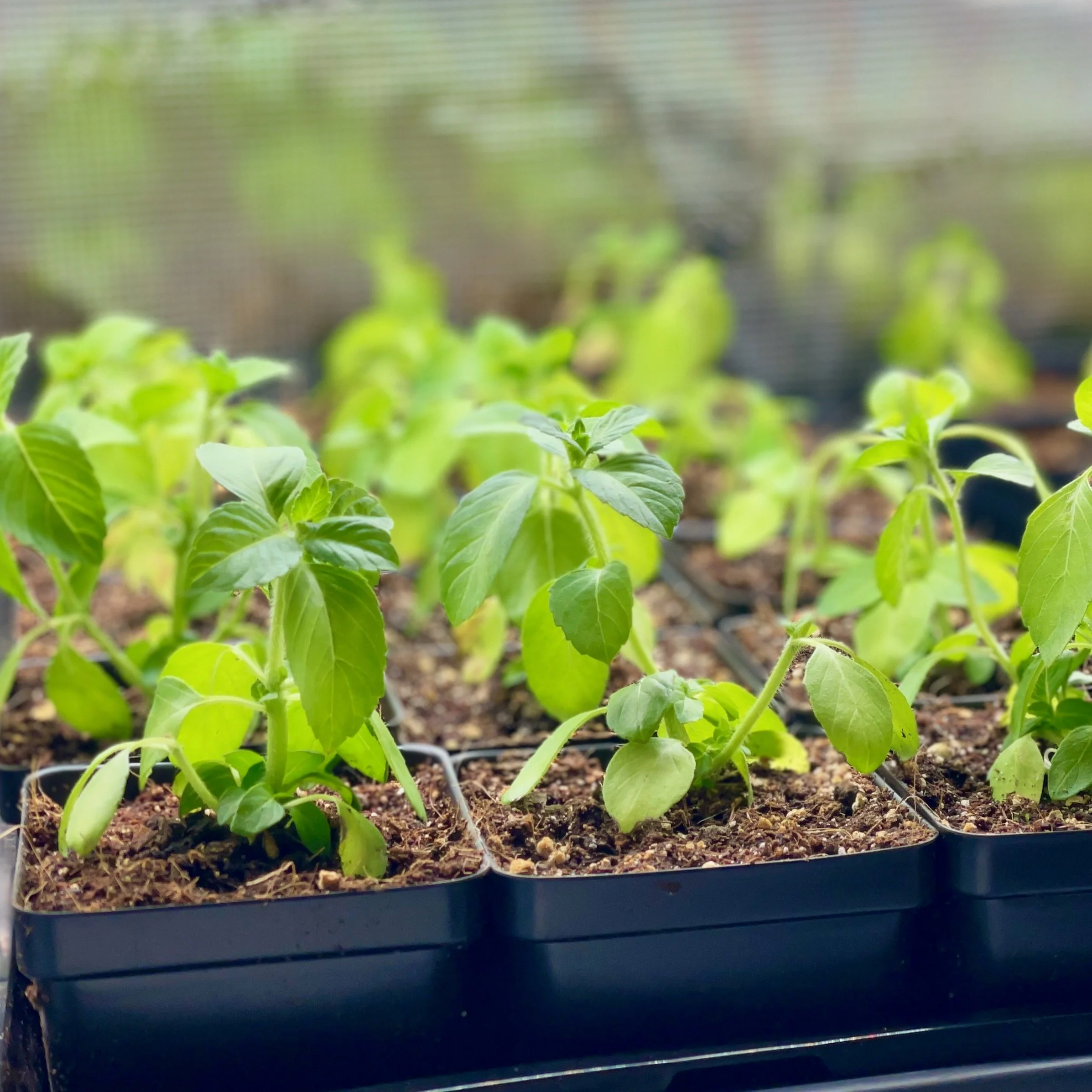 Image 1 of 2
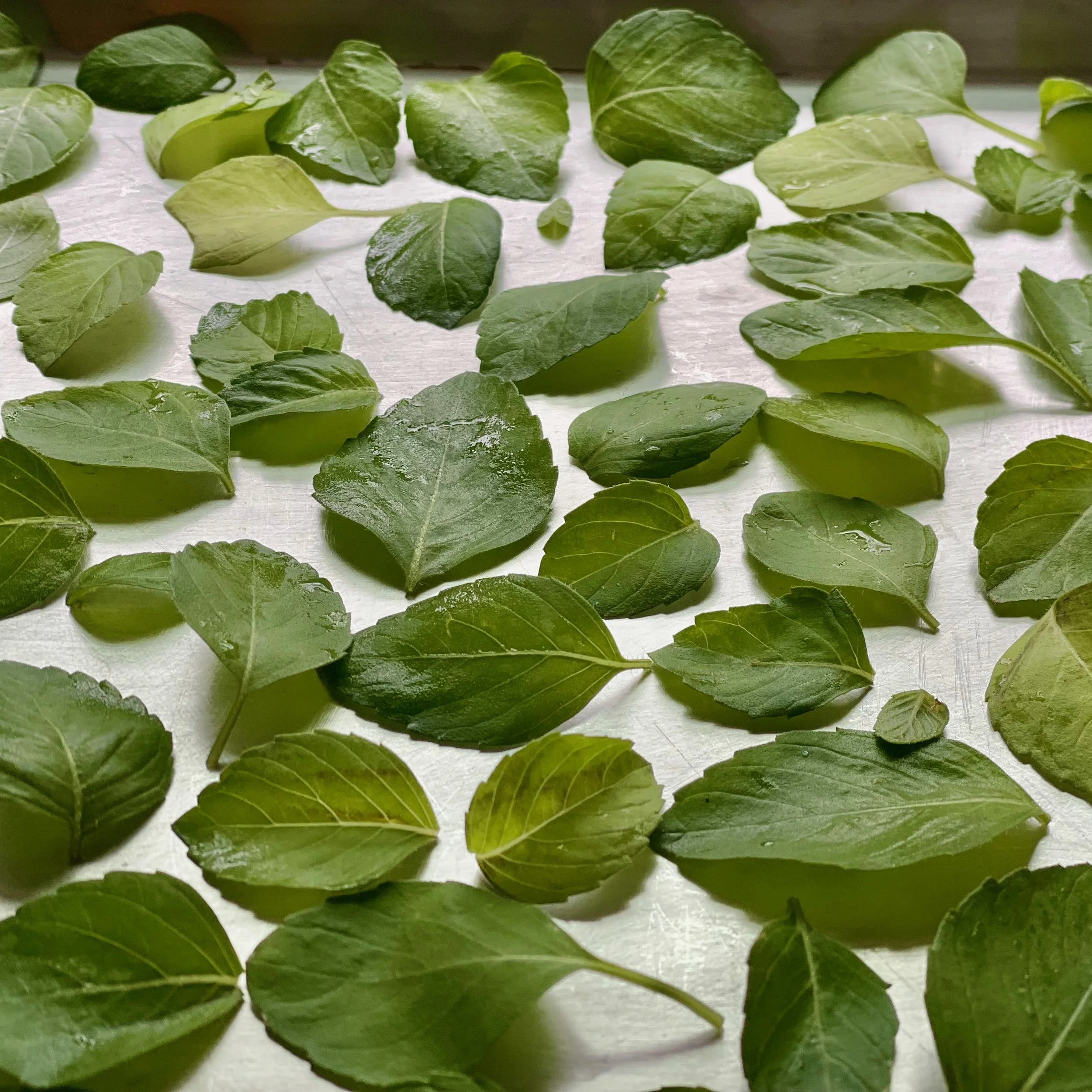 Image 2 of 2