Sweet, aromatic, and shaped by many traditions.
Pot Size: 3.25"
Grown From: Seed
Availability: Small batch • Late March
Meet Anise Hyssop
Anise hyssop offers a gentle sweetness — somewhere between licorice and honey — but its significance reaches beyond flavor alone.
Indigenous communities across North America have long valued anise hyssop for both practical and ceremonial uses. Traditionally brewed as a tea and used in communal settings, it was associated with calm, clarity, and well-being. Its fragrance and ease of use made it a plant woven into everyday life — one that supported both body and spirit without spectacle.
In Jewish tradition, plants referred to as hyssop appear in ancient texts connected to ritual cleansing, preparation, and renewal. In Christian scripture, hyssop is similarly referenced in moments emphasizing humility, reflection, and inner readiness. Scholars continue to debate the exact botanical identity of biblical hyssop, but plants within the hyssop family — including anise hyssop — have long been embraced as part of this broader symbolic lineage.
Taken together, these traditions point to a shared understanding: this is a plant meant to be used with intention. Not rare or untouchable, but present — something grown close, brewed often, and noticed quietly.
Today, anise hyssop continues to earn its place in modern kitchens and gardens, shining in:
• Herbal teas (fresh or dried)
• Honey infusions and simple syrups
• Fruit salads and baked goods
• Pollinator-friendly garden spaces
This is a plant that carries history lightly — offering beauty, usefulness, and a sense of continuity.
What arrives with your plant
• One market-ready Anise Hyssop, grown from seed
• A digital care & harvest card (printable and savable)
• A living reminder of how plants connect cultures and time
Care, the simple version
• Light: Bright light to full sun
• Water: Allow soil to dry slightly between waterings
• Harvest: Regular snipping encourages fullness
• Bonus: Beloved by bees, butterflies, and observant gardeners
(Full guidance included with your care card.)
Sweet, aromatic, and shaped by many traditions.
Pot Size: 3.25"
Grown From: Seed
Availability: Small batch • Late March
Meet Anise Hyssop
Anise hyssop offers a gentle sweetness — somewhere between licorice and honey — but its significance reaches beyond flavor alone.
Indigenous communities across North America have long valued anise hyssop for both practical and ceremonial uses. Traditionally brewed as a tea and used in communal settings, it was associated with calm, clarity, and well-being. Its fragrance and ease of use made it a plant woven into everyday life — one that supported both body and spirit without spectacle.
In Jewish tradition, plants referred to as hyssop appear in ancient texts connected to ritual cleansing, preparation, and renewal. In Christian scripture, hyssop is similarly referenced in moments emphasizing humility, reflection, and inner readiness. Scholars continue to debate the exact botanical identity of biblical hyssop, but plants within the hyssop family — including anise hyssop — have long been embraced as part of this broader symbolic lineage.
Taken together, these traditions point to a shared understanding: this is a plant meant to be used with intention. Not rare or untouchable, but present — something grown close, brewed often, and noticed quietly.
Today, anise hyssop continues to earn its place in modern kitchens and gardens, shining in:
• Herbal teas (fresh or dried)
• Honey infusions and simple syrups
• Fruit salads and baked goods
• Pollinator-friendly garden spaces
This is a plant that carries history lightly — offering beauty, usefulness, and a sense of continuity.
What arrives with your plant
• One market-ready Anise Hyssop, grown from seed
• A digital care & harvest card (printable and savable)
• A living reminder of how plants connect cultures and time
Care, the simple version
• Light: Bright light to full sun
• Water: Allow soil to dry slightly between waterings
• Harvest: Regular snipping encourages fullness
• Bonus: Beloved by bees, butterflies, and observant gardeners
(Full guidance included with your care card.)

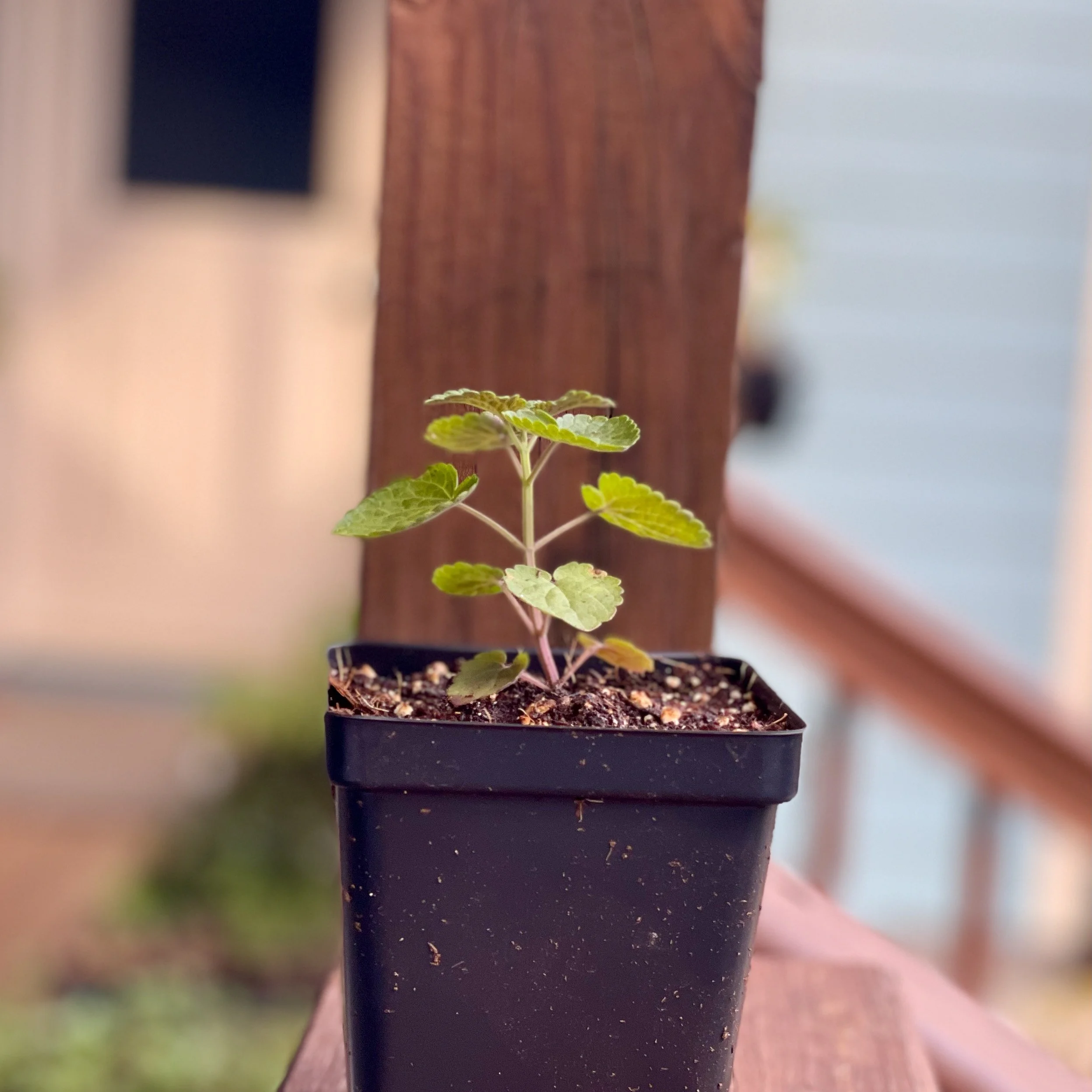 Image 1 of 3
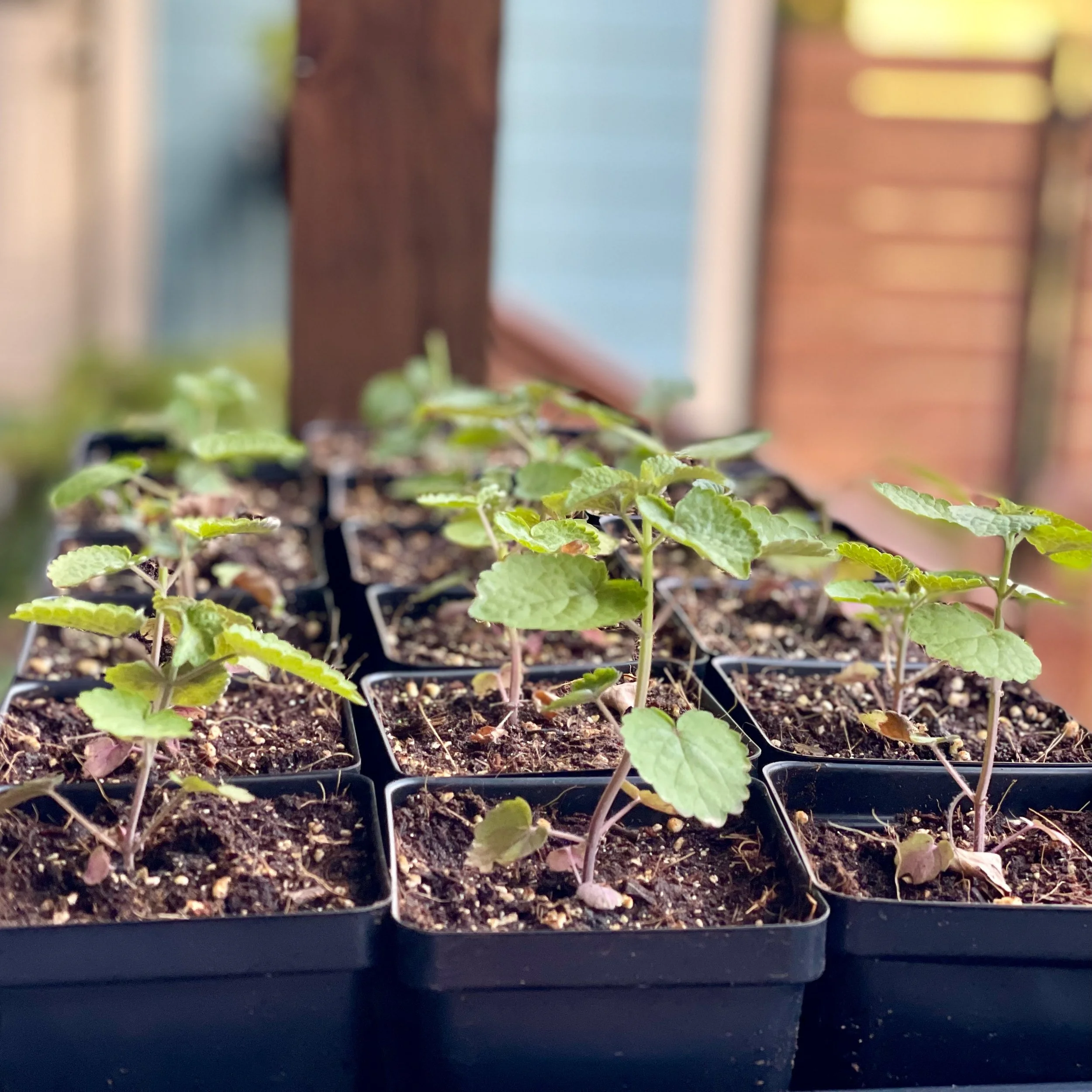 Image 2 of 3
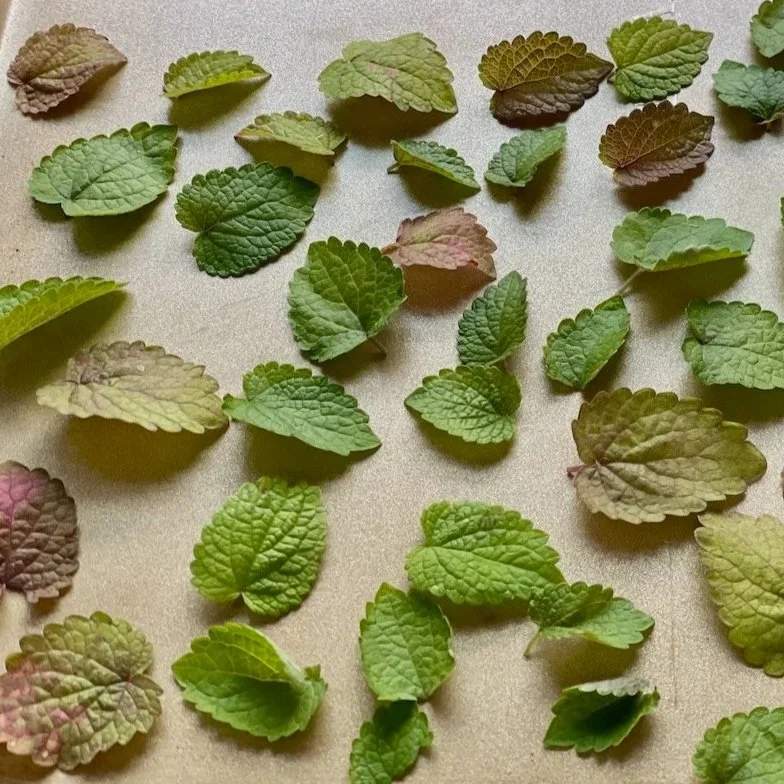 Image 3 of 3