
Genovese Basil
BASICS FOR YOUR HOME
Kid-Friendly: Yes
Pet-Friendly: Yes (mildly; large quantities not recommended for pets)
Indoors: Bright window; needs warmth and good air circulation
Container Outdoors: Yes (excellent choice)
In-Ground: After last frost; prefers warm soil
Light: Full Sun
Temperature: Above 50°F; very frost-sensitive
Water: Moderate
CARE INSTRUCTIONS
LIGHT: Genovese basil demands full sun — 6–8 hours minimum. Indoors, place in the sunniest window available or supplement with a grow light. Insufficient light leads to pale leaves, leggy growth, and weak flavor.
WATER: Water when the top inch of soil is dry. Basil likes moisture but hates sitting in wet soil. Water at the base of the plant — wet leaves invite fungal issues. Wilting in the afternoon heat is normal; wilting in the morning means it needs water.
SOIL & POT: Use a rich, well-draining potting mix. Basil is a heavy feeder compared to many herbs — a monthly liquid fertilizer during the growing season keeps it productive. Choose a pot with excellent drainage.
SEASONAL TIPS: Pinch off flower spikes (bolting) the moment they appear to keep the plant leafy and productive. Once basil bolts and fully flowers, leaf quality drops significantly. Bring indoors or take cuttings before the first frost.
HOW TO HARVEST
• Pinch stems just above a pair of leaves — this causes the plant to branch and produce more
• Never strip individual leaves — always harvest a stem section
• Begin harvesting once the plant has 3–4 sets of true leaves
• Harvest the top third of the plant consistently to maintain a full, bushy shape
• Remove any flower spikes immediately to extend the harvest
HOW TO USE
Genovese basil is the classic Italian basil — sweet, fragrant, slightly spicy, with hints of clove and pepper. It is the foundation of pesto and one of the most beloved culinary herbs worldwide.
Fresh
• Tear into tomato salads (Caprese), pasta, or pizza — don’t chop if you can tear
• Layer into sandwiches, wraps, and flatbreads
• Add to summer cocktails and lemonades
• Blend into fresh vinaigrettes and dressings
Pesto
• Classic Genovese pesto: basil, garlic, pine nuts, Parmesan, olive oil
• Freeze pesto in ice cube trays for year-round use
• Use as a spread, pasta sauce, pizza base, or marinade
Cooked
• Stir into soups, sauces, and curries at the end of cooking
• Add to roasted vegetables in the last few minutes of cooking
Preserved
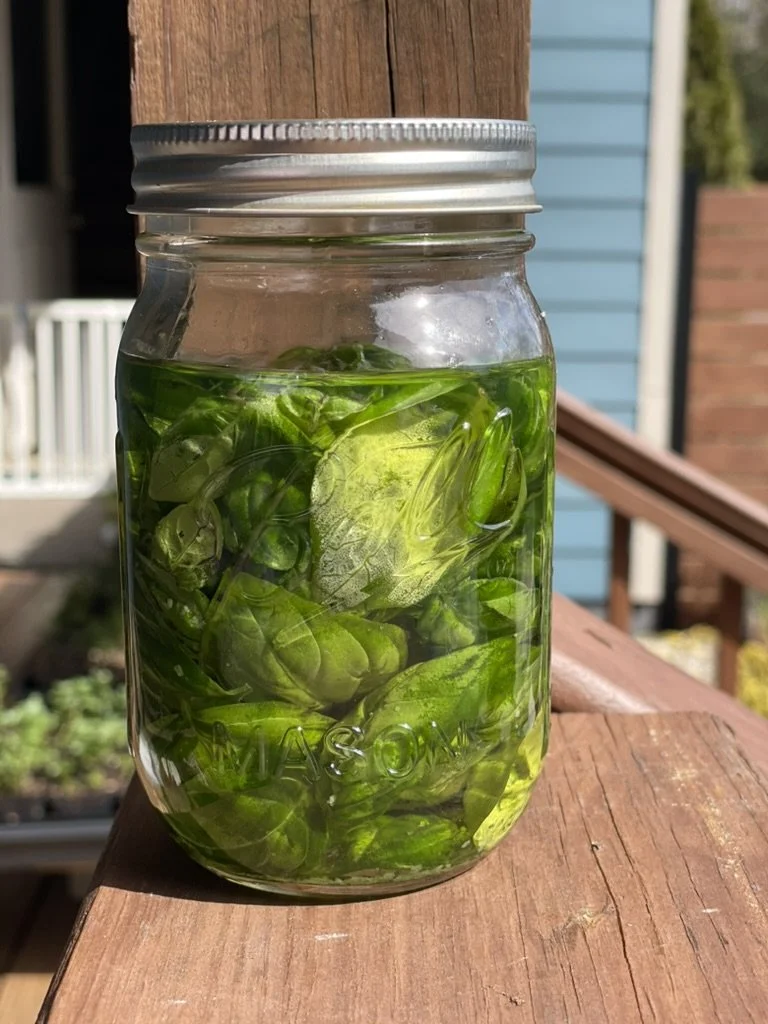
• Pack leaves in olive oil and store in the refrigerator for up to 2 weeks
• Blanch briefly, dry, and freeze flat on a sheet — best for cooked dishes
Tips
• Add fresh basil at the very end of cooking — heat kills its fragrance quickly.
• Basil darkens when cut; use whole or torn leaves for the freshest appearance.
• Pairs classically with tomato, garlic, mozzarella, lemon, and olive oil.
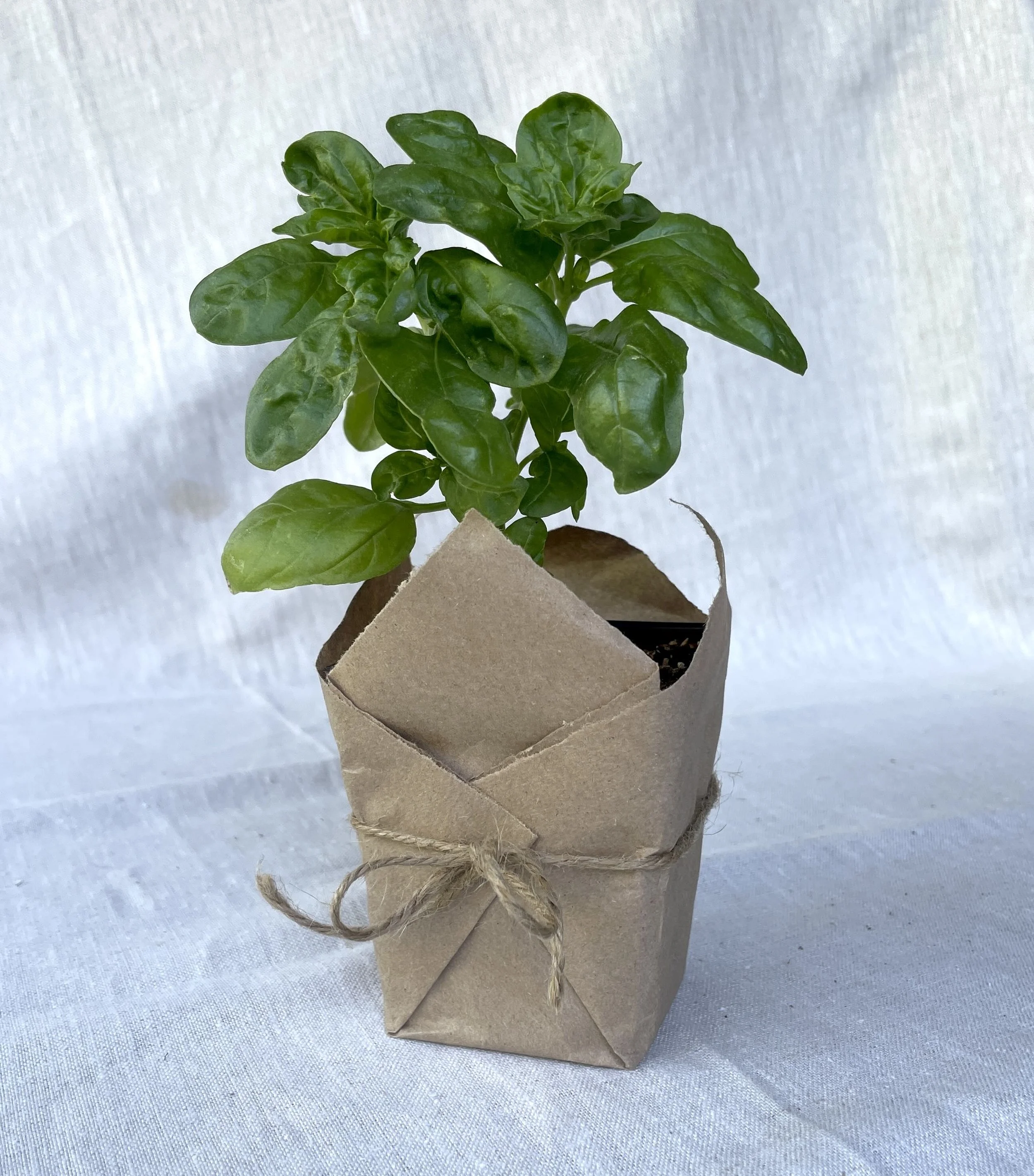
HOW THIS PLANT GROWS Genovese basil grows upright with large, cupped, glossy leaves on branching stems. It is a fast-growing annual that rewards frequent harvesting with lush, bushy growth.
GROW JOYFULLY Basil is a plant that thrives on being used. Pick it often, pinch back the flowers, and it will reward you all season long.