
Fernleaf Dill
BASICS FOR YOUR HOME
Kid-Friendly: Yes
Pet-Friendly: Yes
Indoors: Bright window; does best in outdoor containers or in-ground
Container Outdoors: Yes (compact variety — ideal for containers)
In-Ground: Yes; direct sow after last frost
Light: Full Sun
Temperature: Above 40°F; cool-season tolerant
Water: Low to Moderate
CARE INSTRUCTIONS
LIGHT: Fernleaf dill requires full sun — at least 6–8 hours daily. Indoors, it needs the brightest window available. Insufficient light leads to pale, sparse foliage.
WATER: Water when the top inch of soil is dry. Dill is drought-tolerant once established and strongly dislikes overwatering. Ensure excellent drainage to prevent crown rot.
SOIL & POT: Use a light, well-draining potting mix. Fernleaf dill is a compact variety bred specifically for containers — it stays at 18 inches or under, making it ideal for smaller spaces.
SEASONAL TIPS: Dill bolts (goes to seed) in heat — once it flowers, leaf production declines. Succession sowing every few weeks extends your harvest. Let some plants go to seed for self-sowing next season.
HOW TO HARVEST
• Begin harvesting once the plant has several sets of feathery leaves
• Snip fronds from the outer edges of the plant
• Harvest before flowers appear for the best leaf flavor
• Once flowering begins, harvest seeds as the seed heads turn brown
• Do not harvest more than ⅓ of the plant at a time
HOW TO USE
Fernleaf dill has the classic bright, grassy, slightly tangy dill flavor — familiar from pickles, Scandinavian cooking, and fresh herb sauces. Both the leaves (fronds) and seeds are useful.
Fresh Fronds
• Stir into potato salad, egg salad, or cucumber salad
• Add to cream cheese, tzatziki, or sour cream dips
• Top salmon, trout, or white fish
• Chop into deviled eggs or grain bowls
• Finish soups and chowders at serving
Dried Fronds
• Air-dry fronds on a screen or hang in bundles
• Dried dill is more concentrated — use about half the amount called for in fresh herb recipes
Seeds
• Allow seed heads to dry on the plant, then collect in a paper bag
• Use whole or crushed in pickling brines, bread, or roasted vegetables
• Store in an airtight jar for up to a year
Frozen
• Chop fronds and freeze flat on a sheet, then transfer to a bag
• Best for cooked dishes like soups and sauces
Tips
• Dill is delicate — add fresh fronds at the very end of cooking to preserve flavor.
• Pairs classically with lemon, cucumber, salmon, cream, and mustard.
• The seed flavor is different from the leaf — earthier and spicier.
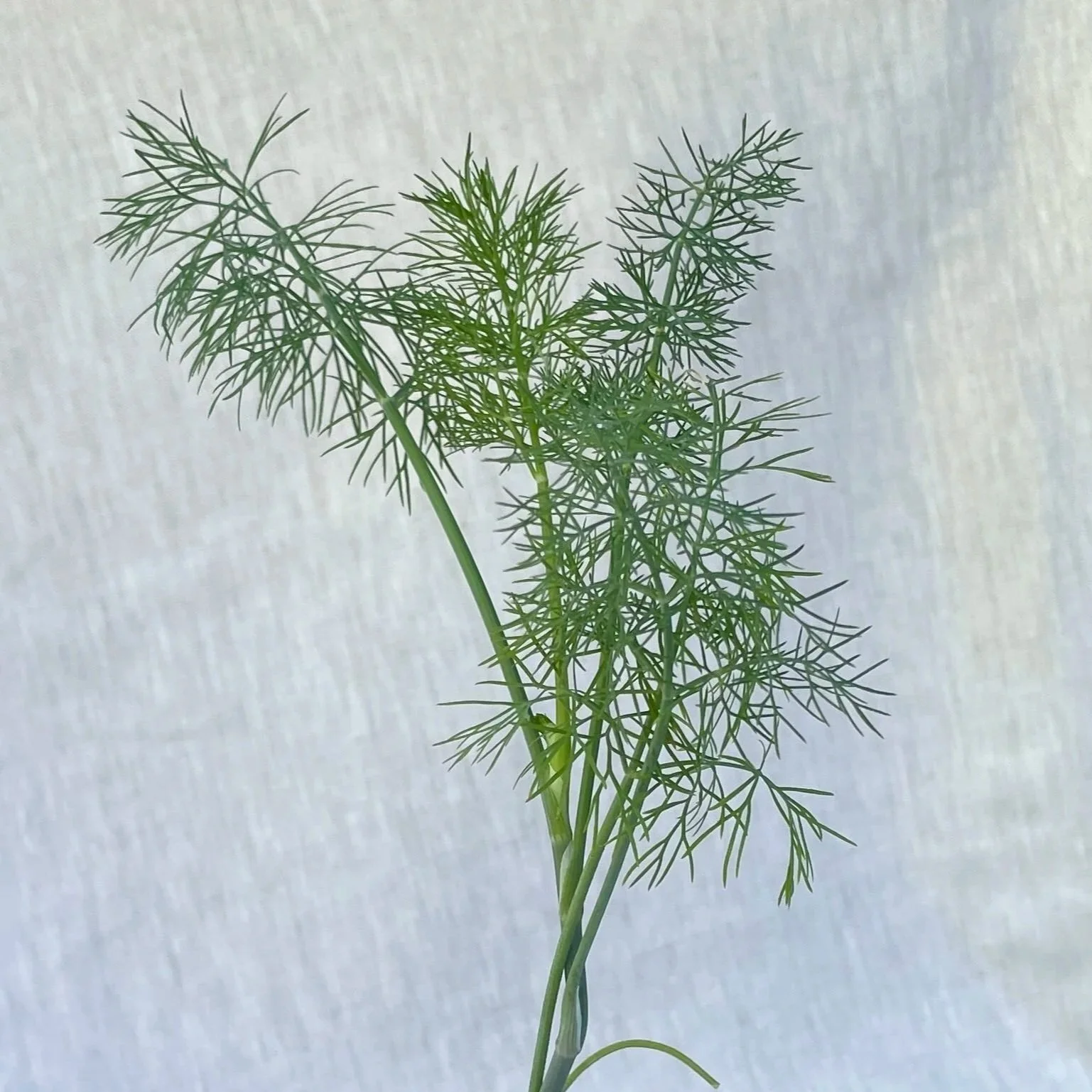
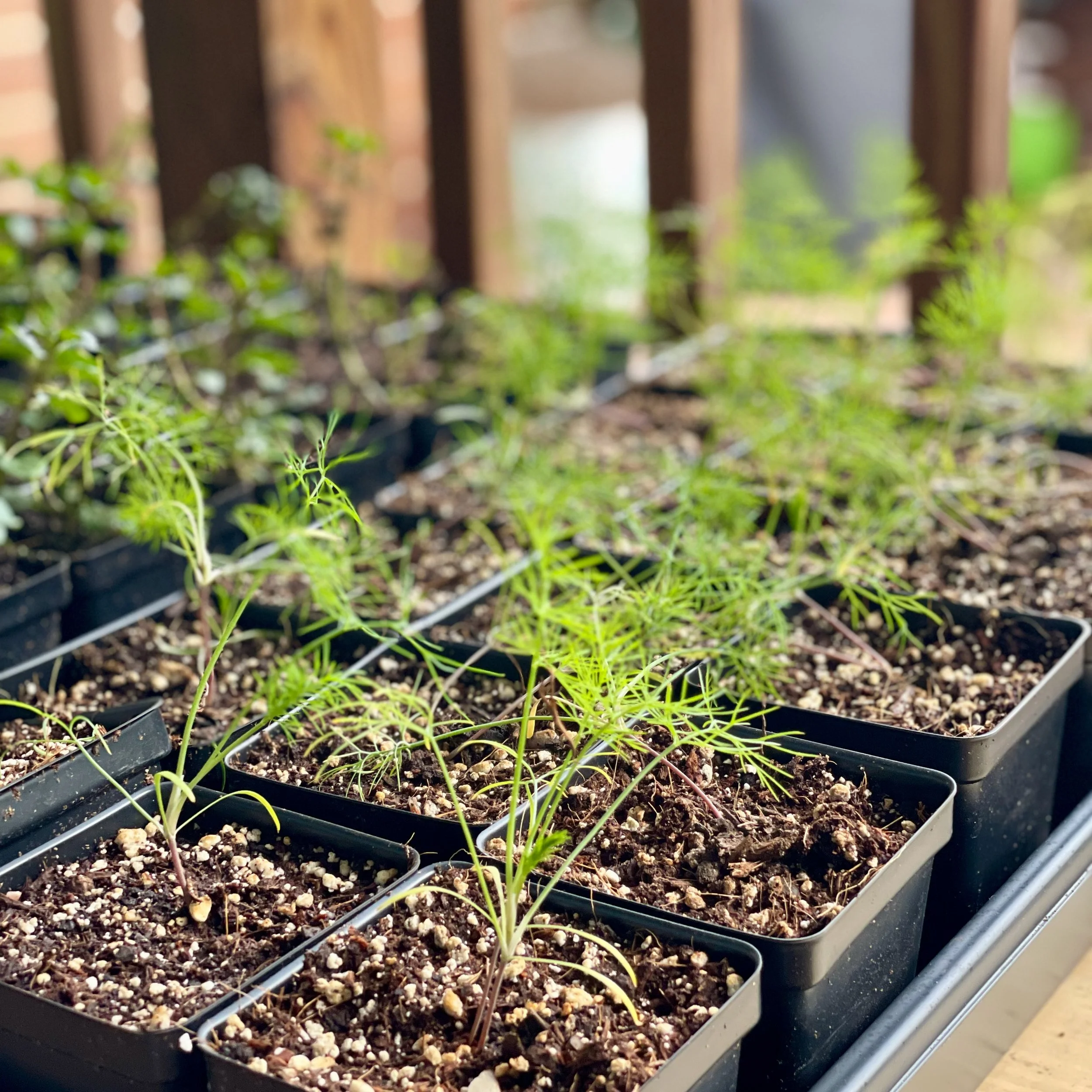
HOW THIS PLANT GROWS Fernleaf dill is a compact, upright annual with feathery, blue-green fronds. Its smaller size makes it ideal for containers and raised beds where standard dill would grow too tall.
GROW JOYFULLY Don’t wait for the “perfect” moment to harvest — dill is at its best when you’re using it often. Pick freely and it will keep producing.