
Calendula
BASICS FOR YOUR HOME
Kid-Friendly: Yes
Pet-Friendly: Yes
Indoors: Bright window (best outdoors or in a greenhouse)
Container Outdoors: Yes
In-Ground: Cool season annual; direct sow in spring or fall
Light: Full Sun
Temperature: Tolerates light frost; prefers cool weather
Water: Moderate
CARE INSTRUCTIONS
LIGHT: Calendula prefers full sun — at least 6 hours daily. It can tolerate part shade but will produce fewer blooms. Indoors, it needs the brightest window you have.
WATER: Water regularly to keep soil evenly moist but never waterlogged. Calendula is somewhat drought-tolerant once established but blooms best with consistent moisture. Avoid wetting the foliage to prevent mildew.
SOIL & POT: Average, well-draining potting mix works well. Calendula is not fussy about fertility and actually performs better without heavy feeding.
SEASONAL TIPS: Calendula thrives in cool weather — spring and fall are its peak seasons. Deadhead spent blooms regularly to extend flowering. In hot summer climates, plants may go dormant and recover as temperatures cool.
HOW TO HARVEST
• Harvest flowers when fully open, in the morning after dew dries
• Pinch blooms at the base of the stem — this encourages more flowering
• Petals are the most commonly used part; separate them from the green base for culinary use
• Deadhead consistently to keep the plant productive all season
HOW TO USE
Calendula petals have a mildly tangy, slightly bitter, peppery flavor. They are widely known for their skin-soothing properties and their vibrant golden color.
Fresh
• Sprinkle petals over salads, rice, or egg dishes as a colorful garnish
• Stir into soft cheeses or compound butter
• Add to soups as a finishing touch
Dried
• Dry petals on a screen in a warm, airy spot away from direct light
• Use dried petals in herbal teas
• Steep in oil for a skin-nourishing infused oil (great for lotions and balms)
• Crumble into golden rice or broths as a budget-friendly saffron substitute
Infused
• Steep petals in oil or beeswax for homemade salves and lip balms
• Infuse into honey for a beautiful, floral sweetener
Tips
• Fresh petals lose their color quickly — use promptly or dry immediately after harvest.
• The green base of the flower head is sticky and slightly bitter; remove it before culinary use.
• Calendula pairs well with citrus, honey, and savory roasted vegetables.
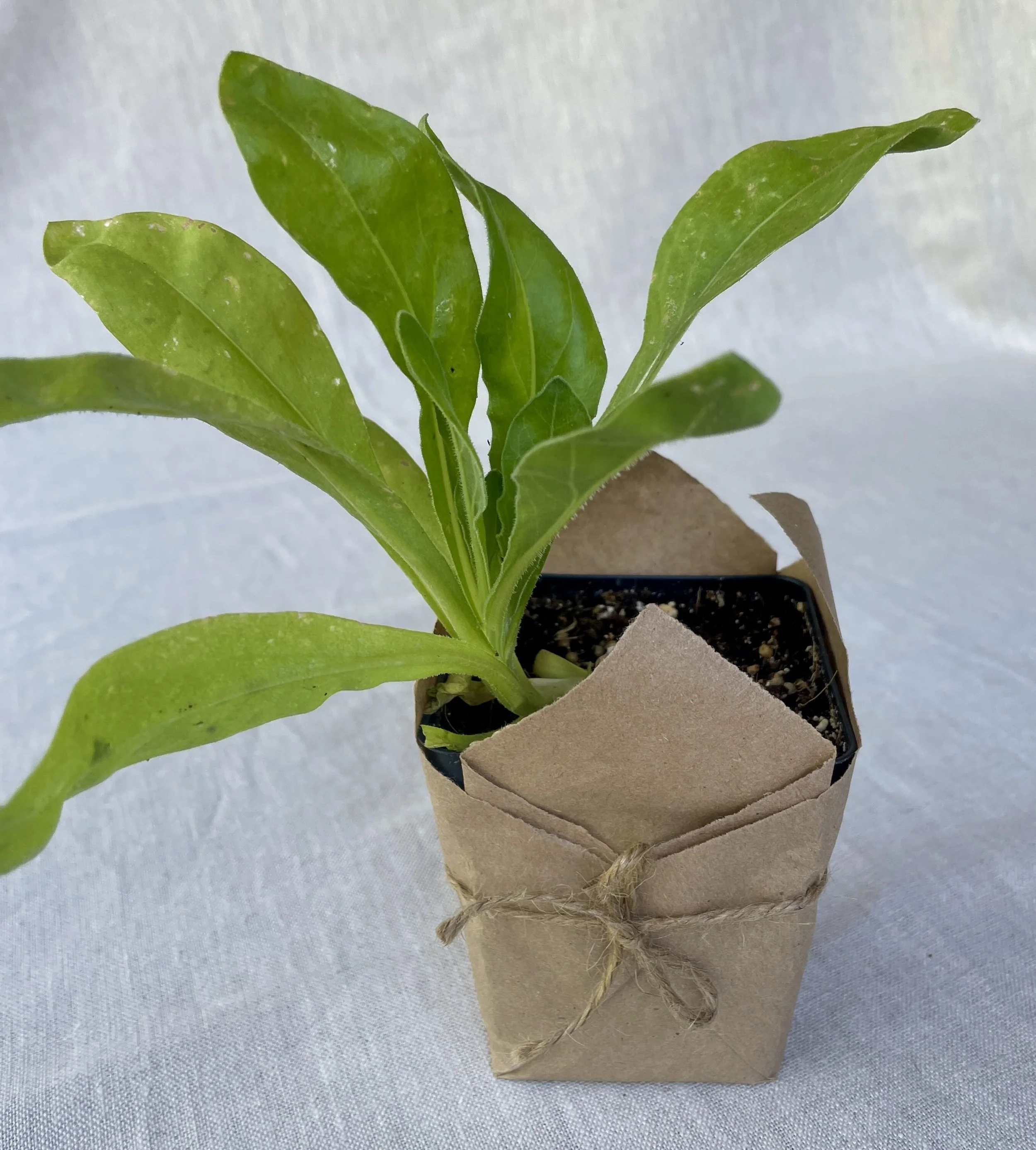
HOW THIS PLANT GROWS Calendula grows as a compact, bushy annual covered in cheerful orange and yellow daisy-like blooms. It self-seeds readily, so you may find it returning year after year in the garden.
GROW JOYFULLY The more you harvest, the more it blooms. This is a plant that rewards attention and generosity.